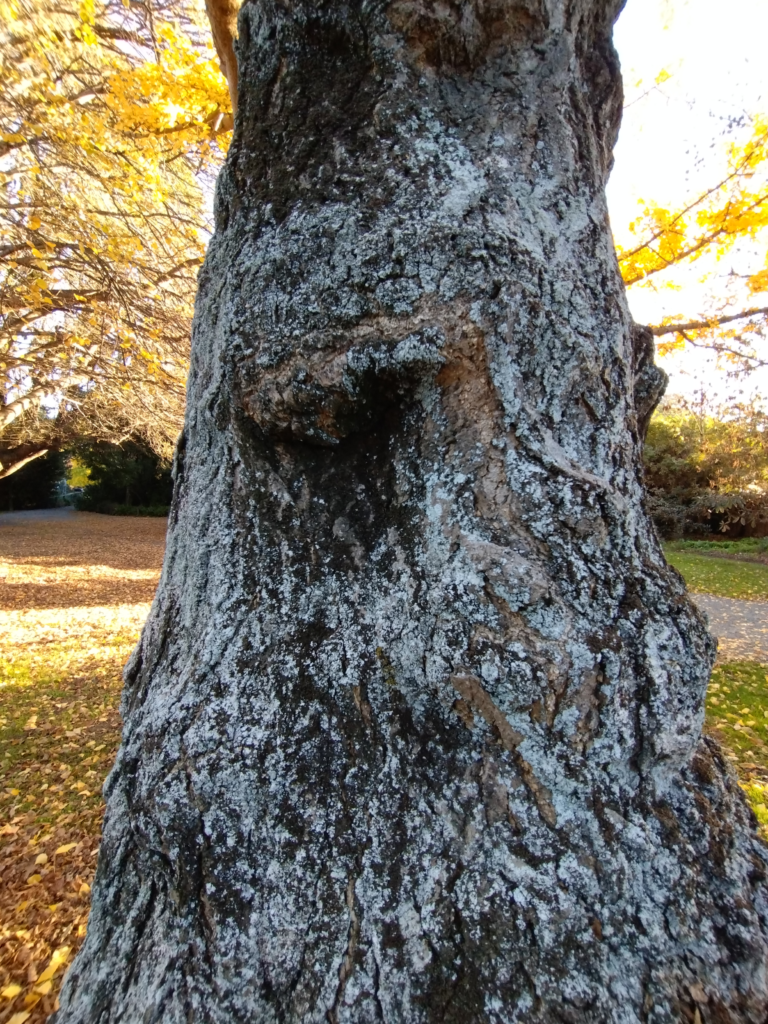
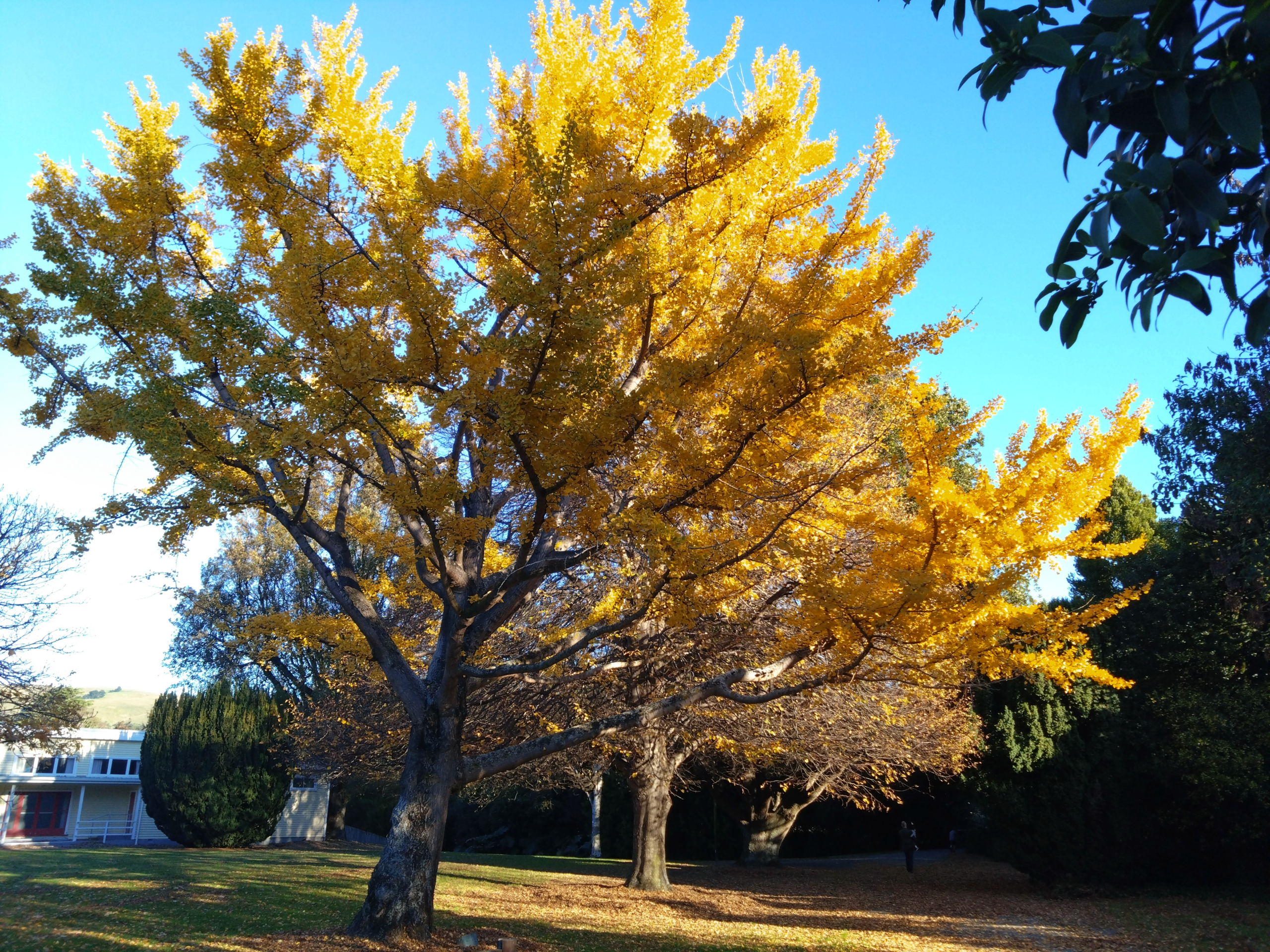
The ginkgo stands at the Reeves Street entrance to Risingholme Park. Others grow further within, but this one I visit every autumn, for convenience and the fond memories of walking through the gate at the cul-de-sac’s end with my beginner’s pottery kit, turning left to pass the tree greeting me with its leaves dancing like ancient fans.
Born in the mid-sixties, I snatched the last bit of Boomerhood, but this is nothing compared to the age of Ginkgo biloba. It is the last living species in the order Ginkgoales, which first appeared over 290 million years ago. Fossils very similar to the living species, belonging to the genus Ginkgo, extend back to the Middle Jurassic approximately 170 million years ago.
When I turned 40, I started studying Chinese medicine learning that ginkgo has a long history of treating various conditions and is also promoted in the West for cognitive health, though claims for this remain inconclusive.
The life-force of these trees is undisputed.
In 2020, a study in China of ginkgo trees up to 667 years old showed minimal signs of aging, finding that the trees continued to grow with age and displayed no genetic evidence of senescence, and continued to make phytochemicals indefinitely.
Extreme examples of the ginkgo’s tenacity are found in Hiroshima, Arakuji Temple, Japan, where six trees growing between 1 and 2 kilometres from the 1945 atom bomb explosion were among the few living organisms in the area to survive the blast. Although almost all other plants were killed, the ginkgos, though charred, survived and were soon healthy again, and are still alive today.
From ancient medicine to rediscovering my creativity, the ginkgo’s strength inspired my early fifties, when I developed my love for pottery. I enrolled in a Risingholme Learning course at the small pottery studio in the yellow building right beside the woodworking workshop, making it my creative home for three years. A cosy joyful space with competent and kind teachers, where students learn the basic skills of throwing, hand-building, glazing and decorating and are encouraged to discover their passion and creativity. This is where my love for pottery began.
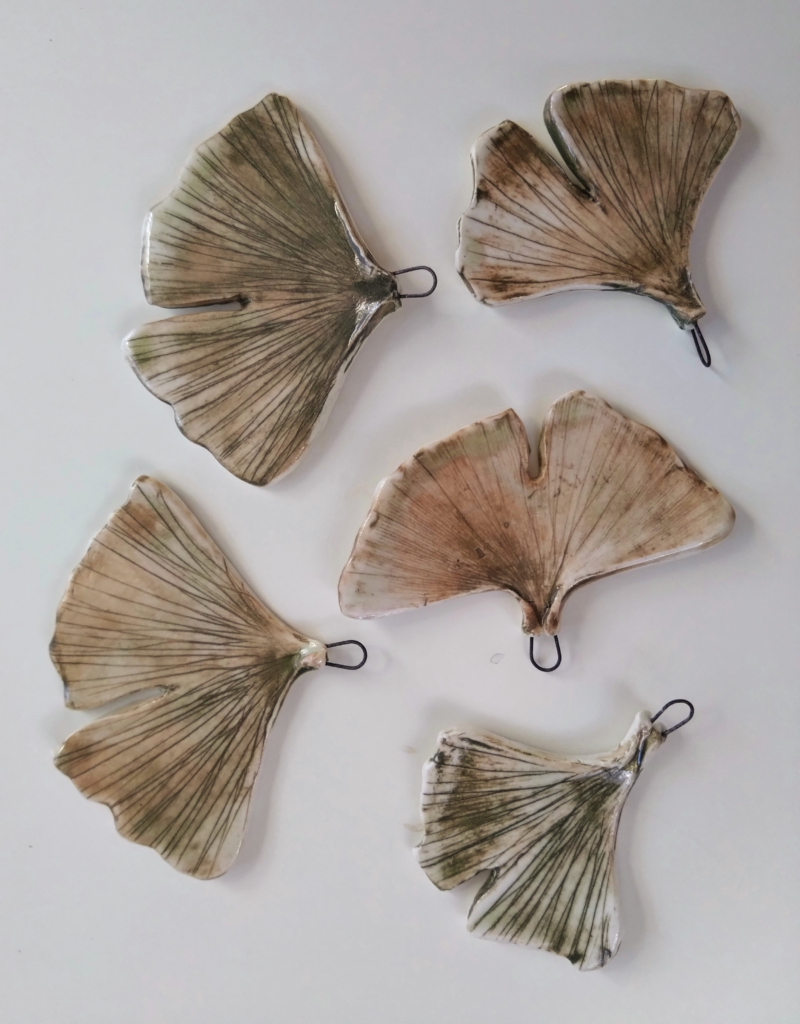
I enjoyed wandering the park to study textures and shades, and many of my first makes bear impressions of the ginkgo tree’s leaves. Their unique form, dark saturated green turning into brightest yellow in autumn, is a joy to behold against an endless clear blue sky.
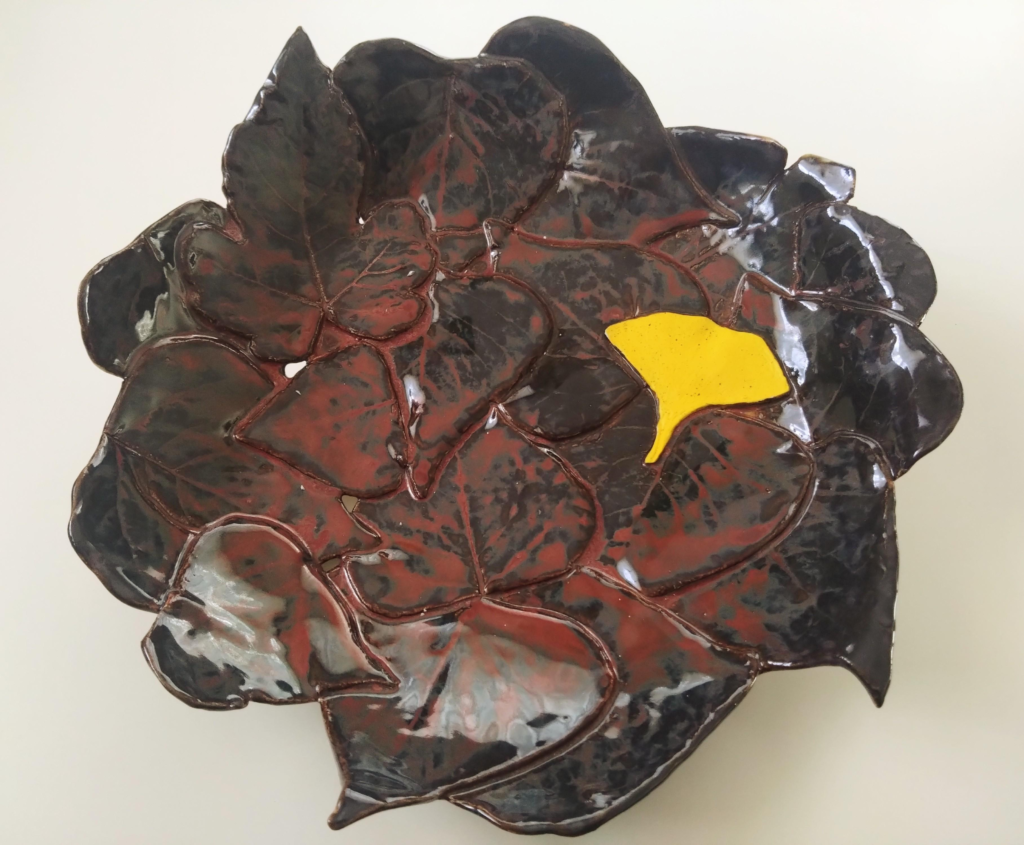
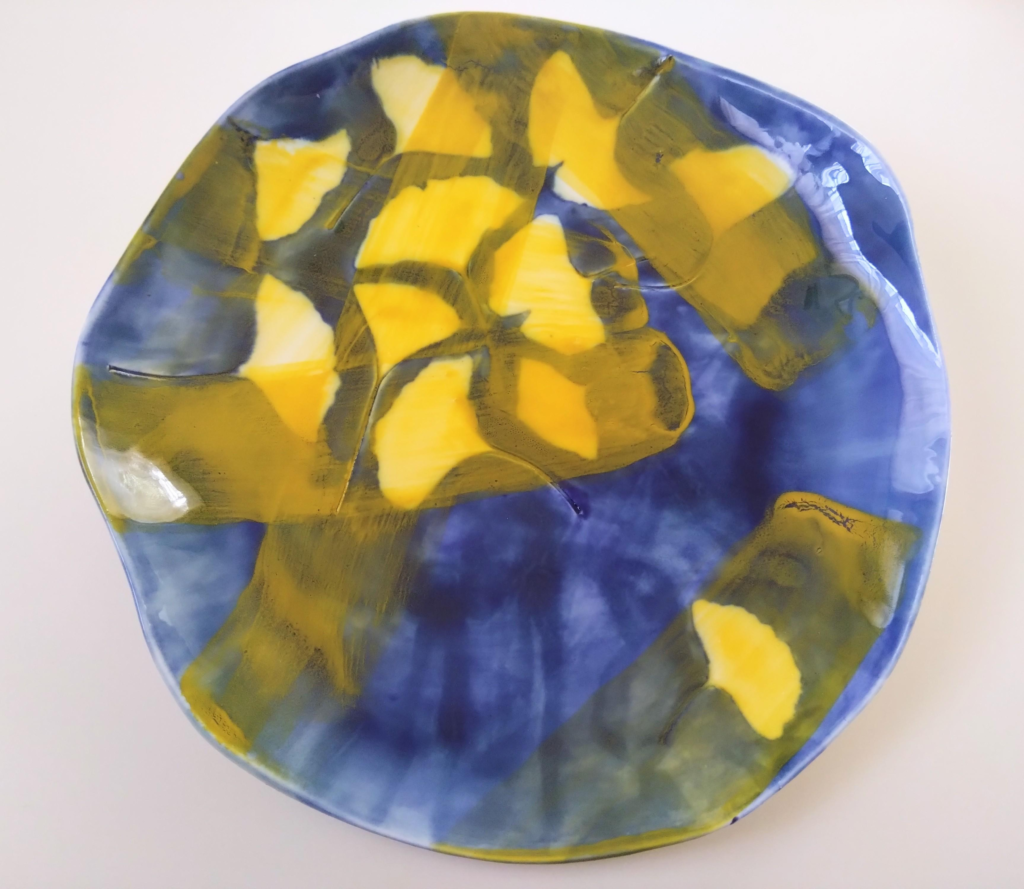
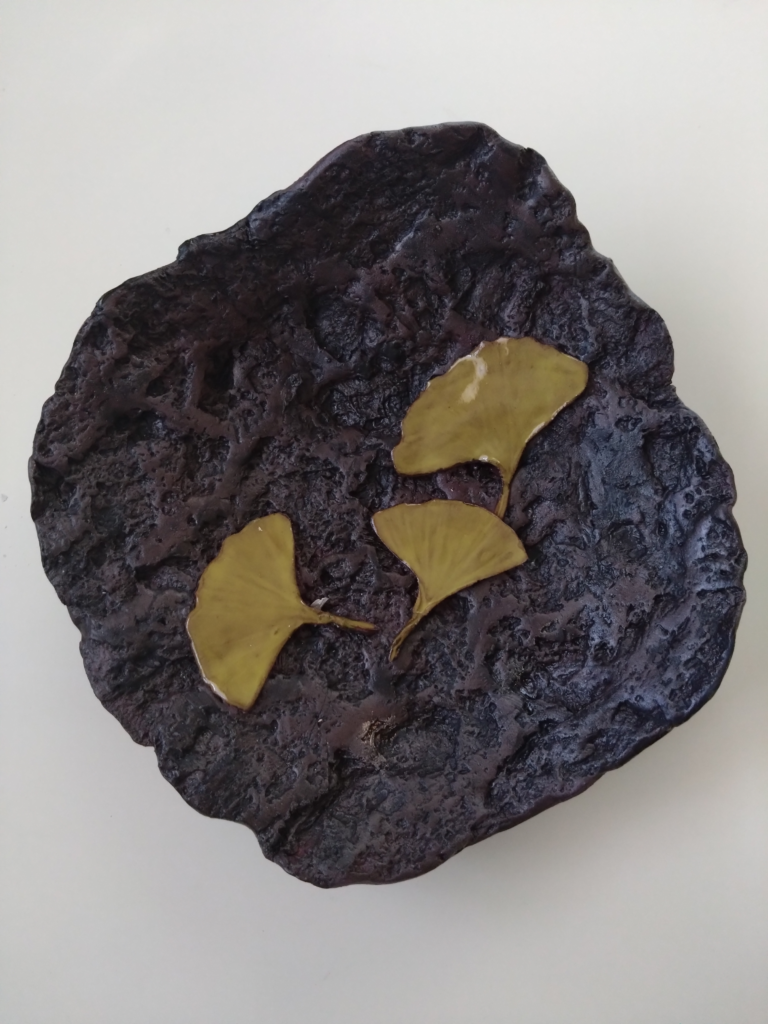
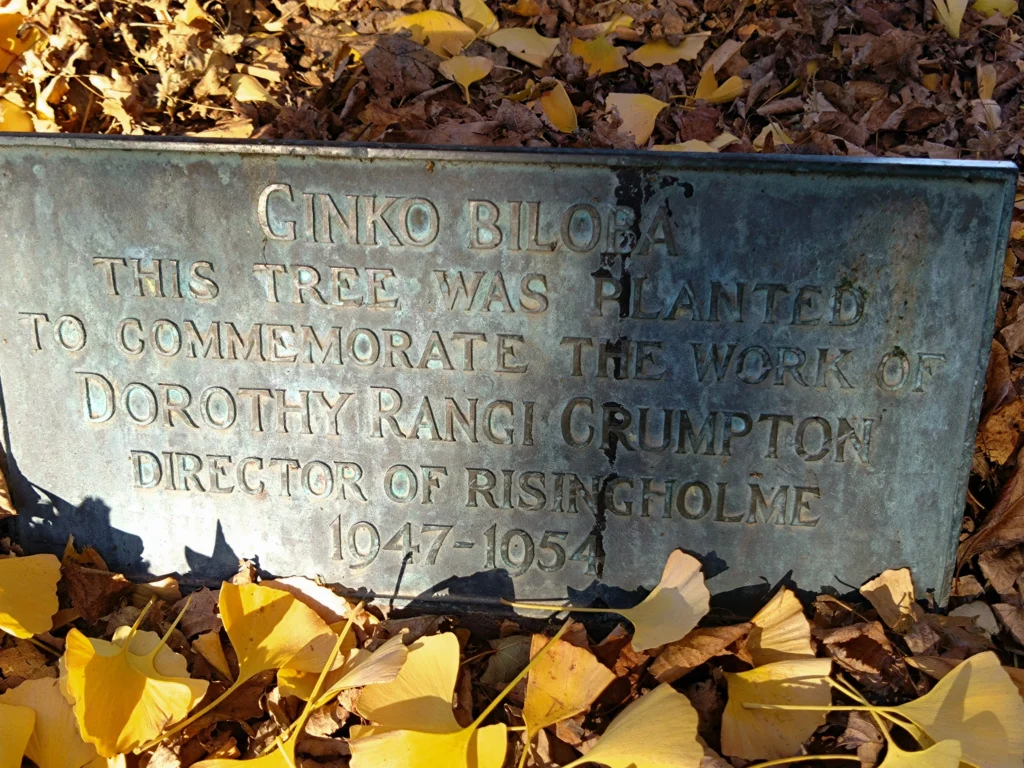
The ginkgo has been planted to commemorate Dorothy Rangi Crumpton as stated on a plaque at its base. She took on the directorship of Risingholme in 1947 and her obituary from 3 October 1954 states that: ‘During her term of service, Miss Crumpton played no small part in the expansion of the centre’s buildings … Always tolerant and sympathetic and always ready to help individuals in developing their ideas, she was held in affectionate regard by all with whom she came in contact and her death removes an outstanding personality whose selfless work for the community will be long remembered.’ Thus, her legacy endures, like the tree.
I remember my father planting a ginkgo in the last garden he owned. On a sunny autumn afternoon, and we both stood, admiring the slender young plant. Like all wise and patient men, he planted the tree not for himself but for the generations of gardeners to come.
In my sixties, I sometimes feel like a living fossil as well. Gazing at the ginkgo on my autumnal visits and wondering whether I wish for its eternity. My heart says no, but its leaves, pressed into my plates and bowls, weave me into life’s quiet cycle.
Here is where you can visit the Ginko at Risingholme